Low care pool retreats: choosing resin pool loungers that last
A low maintenance pool retreat is less about doing without comfort and more about choosing furniture that fits the way a pool area actually behaves. Water splashes, sunscreen rubs off, leaves collect, and strong afternoon light can make some materials feel tired long before the season is over. Resin pool loungers are often chosen for this setting because the material suits outdoor use and the shapes are usually simple to clean and move.
The idea is straightforward: make the seating work with the pool deck rather than against it. A good layout leaves room to walk, gives each seat enough personal space, and avoids placing soft furnishings where they will stay damp. Once the basic setting is right, the choice of lounger becomes easier. Look at how the piece is built, how it drains, how it sits in sun, and whether it can be stored without taking over the whole area.
What resin pool loungers are meant to do
Resin pool loungers are reclining seats designed for outdoor lounging near water. The resin material is used because it can handle the usual conditions around a pool: sun exposure, occasional splashes, changes in temperature, and frequent contact with wet swimsuits or lotions. That does not make any lounger care free, but it does make routine care less fussy than it can be with materials that need sealing, staining, or heavy covers.
The form matters as much as the material. A reclining backrest lets a person sit up to read or talk, then lower into a more relaxed position. Some designs follow the body with a gently shaped seat, while others stay flat and architectural. The best choice depends on how the pool area is used. A quiet space for long afternoons may call for deeper comfort. A busy family deck may benefit from loungers that are easy to shift, rinse, and line up again.
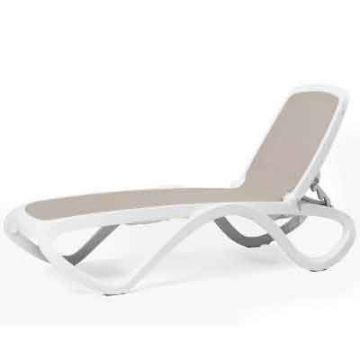
A name such as Nardi Omega Chaise Lounge may come up when comparing outdoor seating, but the useful question is still practical: does the shape suit the space, and does the build make daily use simple? Brand names can help narrow a search, yet the fit, dimensions, and feel should carry the decision.

How the design affects day to day care
Low maintenance furniture earns that description through small design choices. Smooth surfaces are quicker to wipe than deep textures. Open gaps allow water to pass through instead of pooling in the seat. A frame that can be lifted with one hand at each end is easier to move when shade shifts across the deck. These details may seem minor on a product page, but they shape how often a lounger gets used.
Drainage deserves particular attention. A lounger left beside a pool will get wet, whether from swimmers, rain, or cleaning. If water collects in the seat or frame, the area stays damp and can leave marks on the deck. Slatted or perforated sections help water escape. A slight angle in the seat also helps. After a splash, a quick tilt can be enough to send water off the surface.
Sun exposure is the other quiet factor. Resin outdoor furniture is made for outside, but long seasons of direct light can affect colour and finish over time. Placing loungers where they receive shade for part of the day reduces that load and makes the seating more comfortable. Umbrellas can help, though they need enough clearance and a stable base. Where shade is limited, rotating seats occasionally can even out the look of the area.
Choosing the right shape and size
Comfort is personal, and pool loungers vary more than many people expect. Seat width changes how relaxed the seating feels. A wider seat gives more room to shift position, while a narrower one may fit better along a compact deck. Length matters too, especially for taller users or anyone who likes to stretch out fully. A reclining backrest should feel secure in more than one position, not loose or abrupt.
It helps to picture the lounger in use, not just at rest beside the pool. Is there room to place a drink on the deck without it being kicked over? Can someone walk behind a reclined seat without stepping over the frame? Will the lounger cast shade where people need a clear path? These questions prevent a common mistake: buying seating that looks fine in isolation but crowds the space once several pieces are added.
Some pool areas use a mix of seating. Loungers suit long rest periods, chairs suit conversation, and benches can serve as a casual perch near the water. A balanced arrangement keeps the deck from feeling like a showroom. If the space is small, fewer larger pieces often look calmer than many compact ones. Leave open areas where feet pass often, especially between the pool edge, steps, and any dining furniture.
Practical features worth checking
When comparing resin pool loungers, a short set of checks can keep the choice grounded:
- Look for surfaces that can be wiped without special products or scrubbing pads.
- Check that water can drain from the seat and frame rather than sitting inside it.
- Test whether any wheels, hinges, or adjustments move smoothly by hand.
- Measure the space around each seat, including room for a reclining backrest.
- Consider stackability if the furniture needs to be grouped away at the end of a season.
Splash resistance is useful, but it should not be treated as permission to ignore care. Sunscreen, plant debris, and mineral marks from water can collect on any outdoor surface. A soft cloth, mild soap, and a rinse usually fit the routine. Harsh cleaners can dull finishes or leave residue that attracts more dirt, so gentle methods are the safer starting point. Any marks that look like damage rather than surface build up should be assessed before trying strong remedies.
Movement is another part of upkeep. Loungers that are light enough to reposition are handy, yet they should not feel flimsy in use. The aim is a balance: stable under a person, manageable when the area needs tidying. Feet that sit flat on the deck are less likely to snag or scratch than sharp edges. Rounded corners also make a seating area feel more relaxed when children or guests move around it.
Building the retreat around the loungers
A pool retreat does not need many layers. Start with the deck and the way people move across it, then add seating with clear purpose. Two loungers facing the water create a simple rest area. Adding a low table between them gives a place for towels or drinks, provided it does not narrow the walkway. A chair or bench near the shade gives the space another use without filling every corner.
The Nardi Omega Chaise Lounge is one example of the kind of single-seat product considered in this category, but the surrounding choices still matter. A lounger placed in a narrow strip of sun may be used less than one set at the edge of a shaded area. A seat close to the pool edge can feel convenient, yet it may receive more splashes. A position slightly back from the water keeps the deck cleaner and still feels connected to the pool.
Storage also shapes the design of a low care space. Stackability helps when loungers need to be grouped during bad weather or at the end of a busy period. Even without formal storage, a consistent place for each piece makes tidying quicker. Covers can be useful during long wet spells, though they work best when the furniture is dry and the cover is kept clean. Trapping dampness under a cover can create the very problem the cover was meant to prevent.
What this means for the reader
The practical takeaway is to treat resin pool loungers as part of an outdoor system, not as isolated purchases. The material helps with routine exposure, but comfort, drainage, placement, and storage decide whether the seating stays inviting. A lounger with a good reclining backrest and open construction will usually serve a pool deck better than one that looks sleek but holds water or crowds the path.
Before choosing, consider how many people use the space at once, where the sun falls, and how much room is needed to move safely around the pool. Then compare seat width, frame shape, and adjustment features against those needs. A calm, low maintenance retreat is built from ordinary decisions made in the right order. The furniture should make the pool area easier to enjoy, not add another task to the day.